The short answer is no. But the longer, more interesting answer is that AI will fundamentally reshape what lab technicians do, rather than eliminate them altogether.
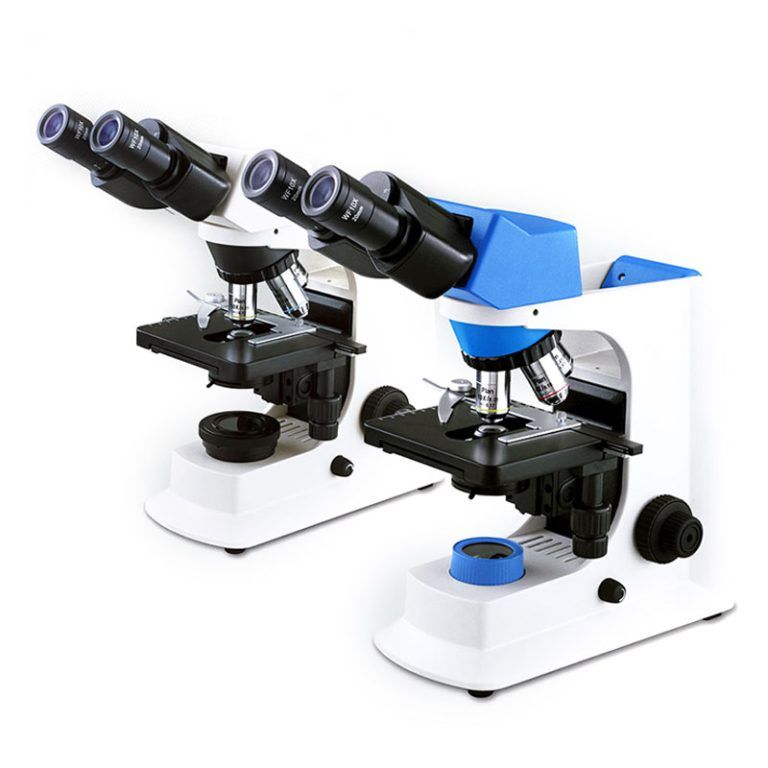
SMART Series Biological Microscope
The Rise of AI-Automated Microscopy
Over the past few years, microscopy has undergone a quiet revolution. Traditional “manual” microscopy—where technicians adjust focus, scan slides, and interpret images—has increasingly been augmented or replaced by AI-driven systems.
Modern automated microscopes can now:
Autofocus with near-human precision
Scan thousands of samples in high throughput
Use machine learning to identify patterns (e.g., cancer cells, parasites)
Integrate with digital lab systems for real-time analysis
In fact, AI-powered microscopy systems have already demonstrated diagnostic performance close to expert humans in tasks like malaria detection, while processing over a thousand samples efficiently
Meanwhile, adoption is accelerating:
Around 35% of microscopy systems already include AI-based image analysis (2025), expected to approach 50% by 2028
Laboratories are increasingly requiring automation in procurement decisions, rising toward 30% by 2028
Clearly, automation is not hypothetical—it’s already here.
What AI Does Better Than Humans
AI-automated microscopes excel in areas that are:
Repetitive (e.g., scanning slides)
High-volume (e.g., screening thousands of cells)
Pattern-based (e.g., detecting known disease markers)
They offer:
Higher throughput
Reduced human error
Consistent, reproducible results
Automation across labs—robotics, AI imaging, and data systems—is already reducing manual workload and improving reliability
What Humans Still Do Better
Despite these advances, critical limitations are preventing full replacement:
1. Complex Interpretation
AI can flag anomalies, but nuanced interpretation—especially in ambiguous or rare cases—still requires human expertise.
2. Experimental Judgment
Technicians make real-time decisions:
Adjusting protocols
Troubleshooting unexpected results
Handling novel samples
These tasks are difficult to fully automate.
3. Quality Control & Accountability
Labs operate under strict regulatory frameworks. Humans are still needed to:
Validate results
Ensure compliance
Take responsibility for errors
4. Physical and Contextual Work
Many lab processes remain hands-on:
Sample preparation
Equipment maintenance
Handling irregular specimens
Even highly automated systems still depend on human oversight and intervention.
The Real Trend: Job Transformation, Not Replacement
History offers a useful clue. Previous waves of lab automation—like robotic pipetting and digital imaging—did not eliminate technicians. Instead, they changed the nature of the job.
Recent labor data shows that technician roles are actually evolving and, in some cases, becoming more specialized and better paid, rather than disappearing
The emerging pattern is a “split role”:
Routine tasks → automated
Advanced tasks → human specialization
Technicians are increasingly shifting toward:
Supervising AI systems
Interpreting complex data
Managing workflows and quality control
Collaborating with scientists and clinicians
By 2030: What Will Labs Look Like?
By 2030, most advanced labs will likely feature:
1. Hybrid Human–AI Workflows
AI handles bulk analysis; humans oversee and validate.
2. “Smart Labs.”
Cloud-connected systems, robotics, and AI are working together seamlessly.
3. Fewer Routine Roles, More Specialized Roles
Entry-level repetitive tasks may decline, but demand for:
Data-savvy technicians
Automation specialists
AI-literate lab professionals
will increase.
4. Continuous Human Presence
Even highly automated systems require supervision, maintenance, and ethical oversight.